
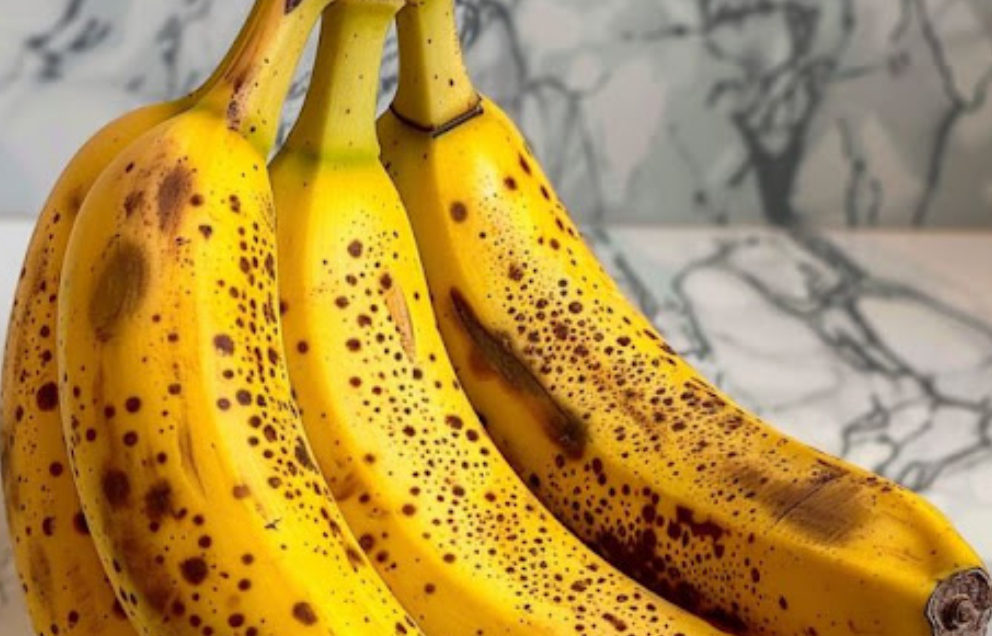
1. Enhanced sugar content and calorie supply
The starches in bananas decompose into simpler sugars like glucose, fructose, and sucrose when the ripens and develops spots. In addition to making the banana sweeter, this natural process also makes it simpler to digest. The simpler sugars in spotted bananas deliver a rapid energy boost, making them a great pre-workout
2. Increased antioxidant capacity
When bananas are ripe, they attract antioxidants like dopamine and certain phenolics, which aren’t there when the bananas are unripe. This is why ripe bananas have brown patches. There is some evidence that these antioxidants may lessen the effects of free radicals and even reduce inflammation. So, eating bananas with spots is a tasty method to get more antioxidants.
3. A better ability to absorb nutrients
Bananas get softer when they grow spots, which makes them simpler to chew and digest. Essential minerals like potassium, vitamin B6, and vitamin C—which are involved in heart health, digestive health, and immunological function—are better absorbed in this softer, more digestible form.
4. Possible advantages to digestive health
The soluble fiber content of ripe bananas is higher than that of green bananas, especially those with spots. The digestive system and the avoidance of constipation are both helped by soluble fiber. Additionally, it helps with weight control by promoting steady blood sugar levels and a longer period of satiety.
Advertisement
Ultimately, the appearance of spots on bananas shouldn’t be judged by their cover (or peel, in this instance), but rather as an improvement to the fruit’s nutritional value. The next time you see a banana with some spots, think of it as potentially beneficial to your health rather than harmful.